New system reduces the risk of friendly fire
Published 22 April 2020
A next-generation system that identifies friendly aircraft is being rolled out across multiple UK platforms
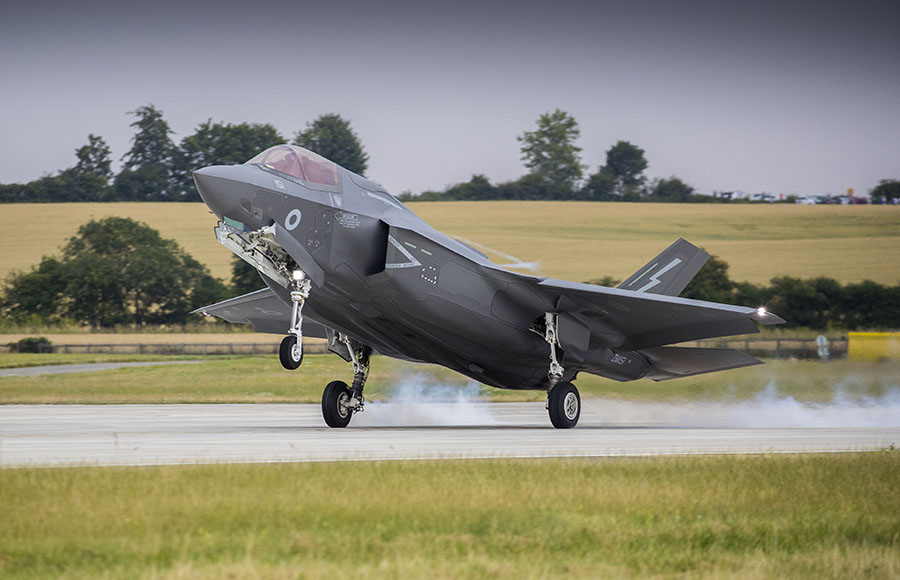
A next-generation system that identifies friendly aircraft, helicopters and ships as well as potential threats and targets is being rolled out across multiple UK platforms.
Mode 5 uses advanced cryptographic techniques and world-leading electronic technology to allow UK land, sea and air units to quickly identify friendly forces, thereby operating safely alongside NATO allies across any battlefield and significantly reducing the risk of fratricide.
The current system that is being used will cease this year and, without Mode 5 – its replacement system – the UK would be unable to deploy on coalition operations overseas.
The MOD has invested £260 million in installing the secure Identify Friend or Foe (IFF) technology to 31 types of aircraft, ship, vehicles and even radar through the Mode 5 project – that’s more than 400 individual platforms covering air, land and maritime environments.
The DE&S Mode 5 team in the Air Support Operating Centre leads the contract with Leonardo MW on the design, integration onto platforms and initial inservice support. The team also provides IFF technical support to DE&S platform delivery teams.
"Mode 5 significantly reduces the risk of friendly fire and ensures our servicemen and women can operate confidently alongside the UK’s allies and partners"
The UK’s Mode 5 project covers legacy in-service platforms and has been designed to give UK units a clear and secure view of potential threats and targets, providing a powerful cyber shield against jamming and interference intended to reduce vital situational awareness. The system is used and mandated by NATO and used by several close allies, with each country responsible for making their own platforms Mode 5-enabled.
Robin Kelly, Mode 5 project manager at DE&S, said: “Mode 5 significantly reduces the risk of friendly fire and ensures our servicemen and women can operate confidently alongside the UK’s allies and partners. The challenge for the Mode 5 team and its stakeholders has been to deliver this critical capability across multiple platforms whilst facing a demanding, immoveable sunset date for the legacy system.”
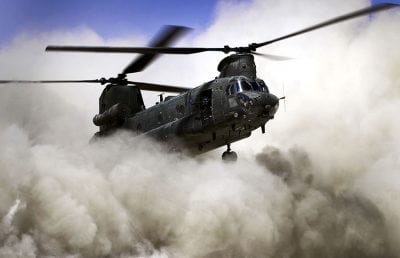
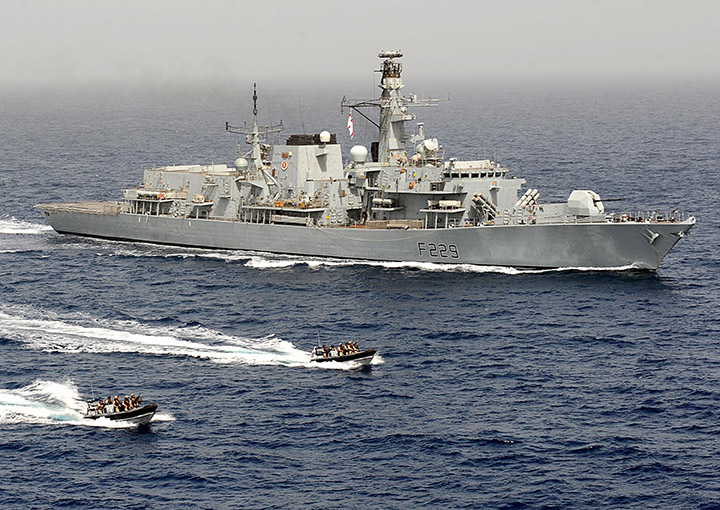
In recent months – the Mode 5 project has initiated – and in some cases already completed – successful trials on several platforms. These include Puma, Merlin, Chinook, Type 102 radar, Watchkeeper, Type 23 frigate and mine countermeasure vessels.
Robin added: “The Mode 5 project has started to see initial successes following inaugural flight and sea trials. It’s required a whole-team approach with DE&S and industry teams working handin-glove.
The trials enable DE&S delivery teams to declare acceptance of Mode 5 for their own platform. Each one is an important milestone as this then allows the modification to be rolled out across the whole fleet.”